
Creatine is a supplement you often hear about at the gym. The problem is that most people associate it only with muscle building in men. The truth, however, is that creatine can be truly valuable for women as well — and not just for those who train “seriously.”
Why might women need it more than they think?
The female body naturally stores less creatine than the male body. On top of that, many women consume fewer creatine-rich foods (such as meat and fish). The result? Lower energy reserves in the muscles and faster fatigue during workouts.
Supplementation can help balance this out and deliver noticeable benefits: more power, better overall well-being, and improved recovery after exercise.
What can creatine actually do for women?
This is where it gets interesting — because the benefits go beyond just sports performance.
Creatine may help with:
- more energy during workouts — making it easier to avoid that sudden “energy crash”
- increased strength and endurance — especially useful for strength training and interval workouts
- better muscle recovery — no more feeling wiped out for days after leg day
- brain support — improved focus, memory, and mood
- bone health — particularly important after 40 and during menopause
Does creatine change your body? Yes — but more in the direction of a firmer, stronger, more toned physique rather than “bulking up,” which many women worry about.
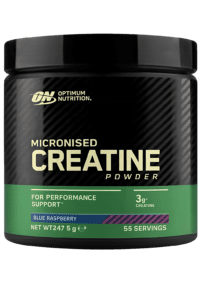
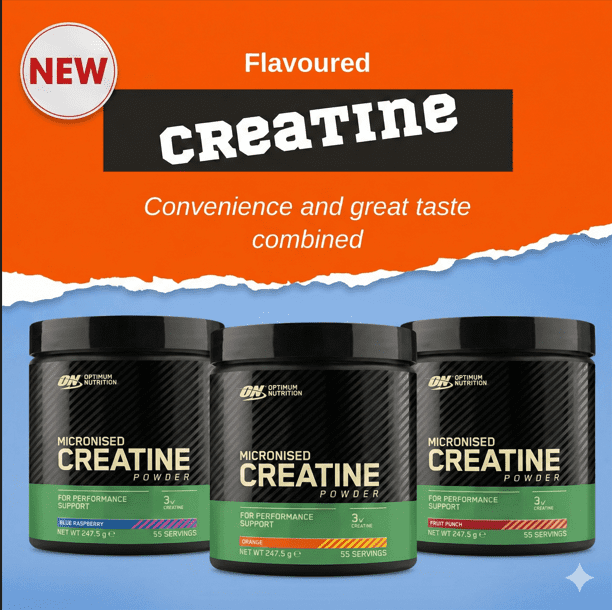
Convenience and great taste combined
How to take it so it actually works
One of the biggest advantages of creatine? It’s incredibly simple to use:
- Take a consistent dose — usually 3–5 g per day
- Take it daily — even on rest days
- Ideally with a meal — creatine absorbs better in the presence of carbohydrates
- Drink more water — because creatine draws water into the muscles
There’s no need for loading phases or complicated cycling strategies.
Ready to start? Choose the form that suits you best:
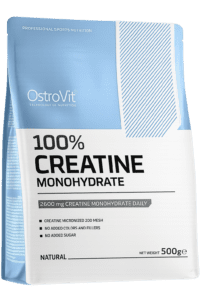
The Gold Standard for maximum efficiency
Is creatine safe?
Yes — it’s one of the most researched supplements available. In healthy individuals using standard doses, it does not harm the kidneys or liver. If someone has kidney disease, is pregnant, or breastfeeding, it’s best to consult a doctor, as research in these groups is more limited. For everyone else, it’s considered safe.
Who is it a good choice for?
- women who do strength training
- runners and those doing interval workouts
- women 35+ and post-menopause
- people prone to fatigue and energy dips
- women who care about bone health and body composition
In summary:
Creatine is a simple way to boost energy, train more effectively, and support your health long-term. And it’s definitely not a supplement “just for guys lifting heavy weights.”